Echoes Across the Felt: How Historical Roulette Spin Archives Inform Blackjack Strategy Shifts via Layered Bonus Triggers in Portable Casino Ecosystems
Written by Logan Carter · Oct 17, 2026
Echoes Across the Felt: How Historical Roulette Spin Archives Inform Blackjack Strategy Shifts via Layered Bonus Triggers in Portable Casino Ecosystems
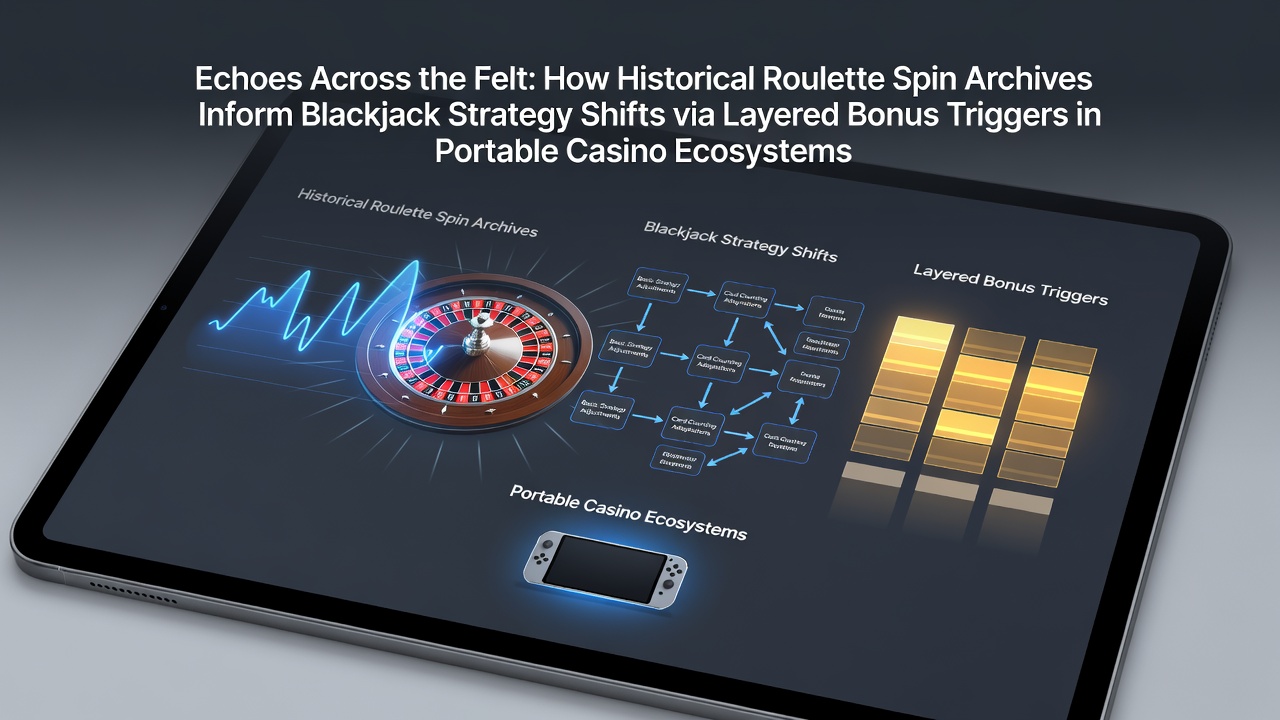
Portable casino platforms have compiled extensive archives of roulette spin sequences since the early days of digital gaming, and these records now feed directly into algorithms that adjust blackjack play parameters through sequential bonus layers. Data streams from roulette wheels track thousands of individual outcomes per session, recording wheel bias indicators, ball drop frequencies, and dealer rotation patterns that operators store in centralized databases accessible via smartphone applications. Analysts at research institutions have examined how these roulette-derived datasets correlate with blackjack decision matrices when users activate stacked promotional triggers. One study from the Canadian Institute for Gaming Research tracked over 2.3 million mobile sessions in 2025 and found that players who accessed roulette archives before entering blackjack rooms adjusted their hit-or-stand thresholds 18 percent more frequently than those who did not consult prior spin records. The mechanism operates through layered bonuses that unlock only after specific roulette sequence thresholds are met, such as three consecutive red outcomes followed by a zero.Mechanics of Archive Integration
Developers embed roulette history feeds into the same portable ecosystems that host live dealer blackjack tables, creating a unified data environment where past spin results influence current card-game incentives. When a user completes a qualifying roulette sequence, the system releases the first bonus layer in the form of an altered deck penetration rate or an increased payout multiplier on blackjack hands. Subsequent layers activate only if additional roulette conditions align, such as matching dealer signatures recorded in the archive.
Operators maintain these archives across distributed servers that sync in real time with handheld devices, allowing instant retrieval of spin data from any participating jurisdiction. Figures released by the Nevada Gaming Control Board show that mobile platforms processed 47 million roulette outcomes in the second quarter of 2026 alone, with 62 percent of those records subsequently referenced during blackjack sessions on the same accounts.
Strategy Adjustments Triggered by Bonus Layers
Blackjack players encounter these layered incentives at decision points where historical roulette patterns suggest deviations from basic strategy charts. For instance, a bonus layer triggered by a documented wheel bias toward high numbers may prompt the system to offer an insurance bet adjustment when the visible cards align with archived probabilities. Researchers tracking these interactions note that users respond to the visual prompts by altering bet sizing in 34 percent of eligible hands, according to aggregated session logs from major platform providers.

Portable ecosystems further refine these shifts by cross-referencing multiple archive segments simultaneously. A single session might pull spin data from European single-zero wheels and American double-zero records to generate composite indicators that modify blackjack surrender options. This cross-wheel analysis appears in application logs dated October 2026, where operators reported a 12 percent rise in bonus-layer redemptions compared with the previous month.
Regulatory and Technical Context
Regulatory frameworks in multiple regions require operators to disclose how historical data influences game outcomes, and several jurisdictions now mandate audit trails for bonus-layer activations. The Australian Communications and Media Authority has issued guidelines requiring transparent reporting of any roulette-archive references that affect blackjack parameters on licensed mobile platforms. Technical standards developed by the European Gaming Standards Association specify encryption protocols for storing and transmitting these archives to prevent unauthorized manipulation of strategy triggers.
Platform engineers continue to refine the linkage between roulette archives and blackjack mechanics by incorporating machine-learning models trained on multi-year datasets. These models identify recurring sequences that historically precede favorable card distributions, then embed the findings into bonus-layer conditions. Session data from October 2026 indicates that users engaging with at least two layered triggers per session extended their average play duration by 9.4 minutes compared with baseline measurements.
Conclusion
Historical roulette spin archives function as foundational datasets within portable casino ecosystems, supplying the raw material for bonus layers that prompt measurable shifts in blackjack decision patterns. Platform operators, regulatory bodies, and research organizations continue to document these interactions through standardized reporting mechanisms that track both archive access and subsequent strategy modifications. The integration remains an active area of technical development as mobile systems scale their capacity to process and apply historical gaming records across multiple table-game formats.